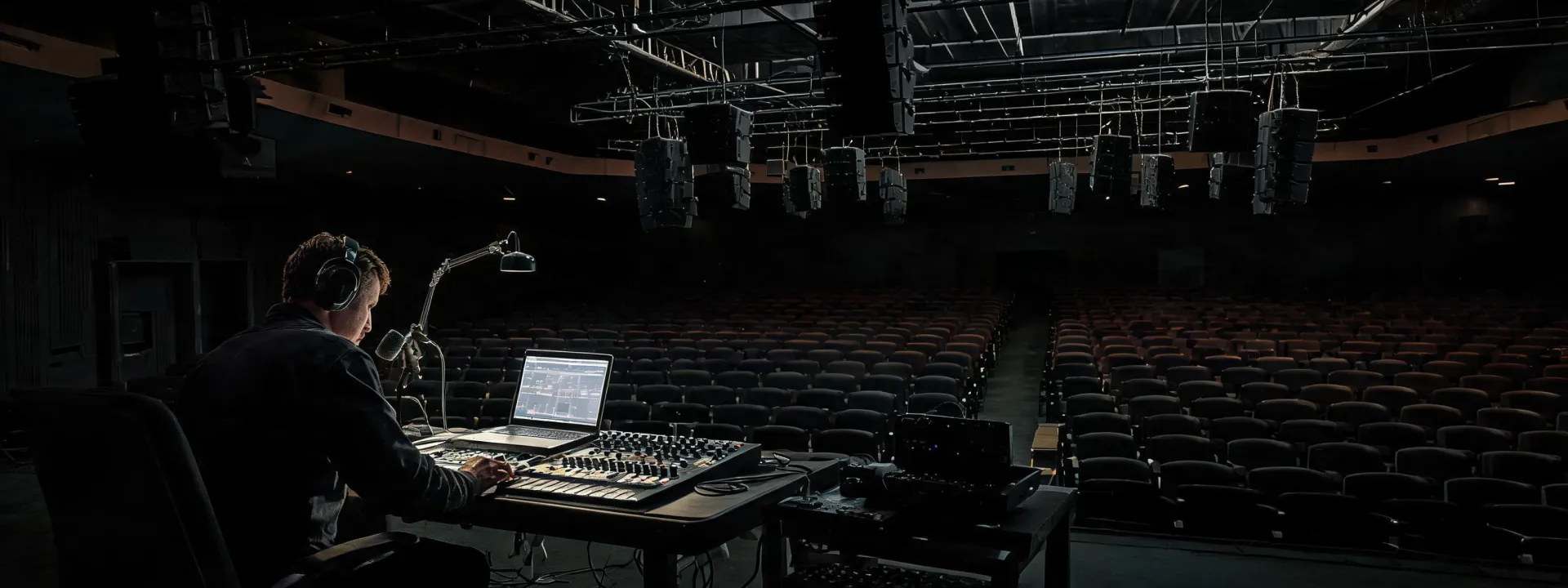
DESIGNED AS ONE SIGNAL PATH

Bose Professional audio systems, specified from input to audience

Connect loudspeakers, power, processing and control around measured coverage, headroom and operator workflow—not a list of isolated boxes.
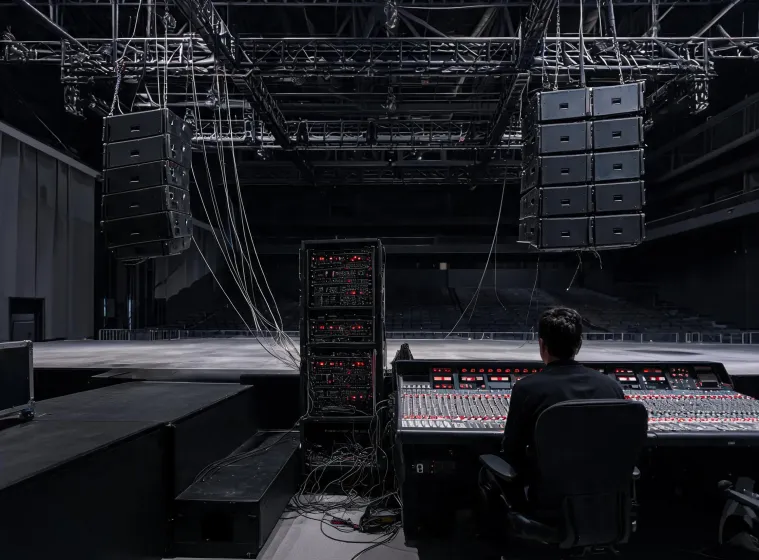
Bose Professional networked audio system in a performance venue
InputDSP & routingAmplificationCoverage

DESIGN INPUTS

Turn a room brief into reviewable system criteria

Published model data remains the final authority. These groups show the information an integrator should reconcile before selecting a series.

Acoustic target

Coverage
Horizontal and vertical nominal patterns, aiming overlap and audience geometry
Output
Maximum SPL at the stated distance, bandwidth and test condition
Low frequency
Required extension, subwoofer alignment and boundary placement

Electrical and control

Load
Nominal impedance or constant-voltage tap, amplifier channel allocation and limiter preset
Routing
Analog, Dante or networked signal path with fallback behavior documented
Commissioning
Polarity, delay, equalization and zone-level verification at representative seats

SYSTEM FAMILIES

Three starting points for commercial sound design

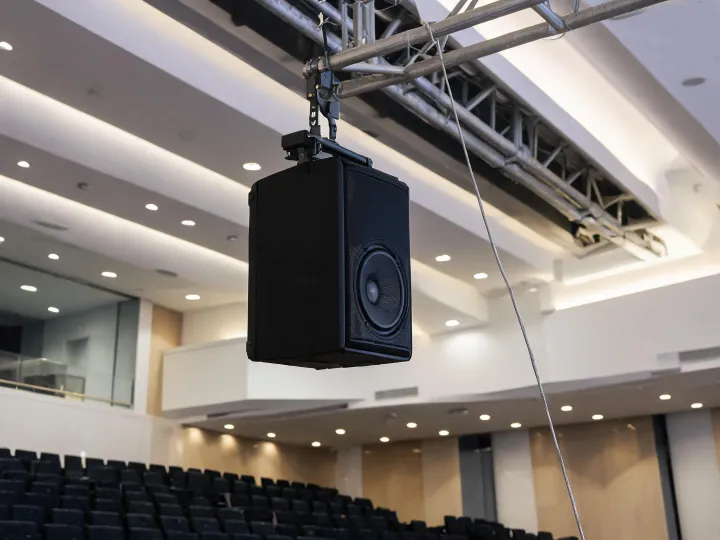
Installed point-source loudspeaker in an auditorium

Installed Loudspeakers

Point-source and distributed formats for rooms where sightlines, architectural integration and consistent speech intelligibility share priority.

Explore loudspeakers →
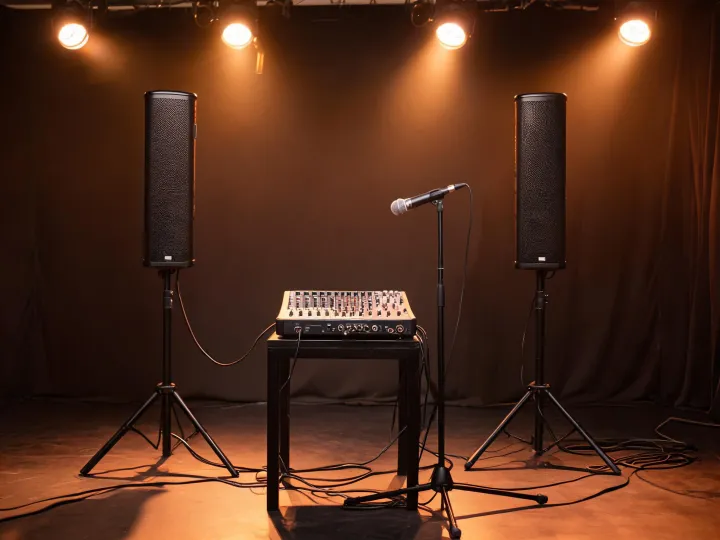
Portable PA system set for a live performance

Portable PA

Compact systems for performers and presenters who need repeatable setup, controlled coverage and an operator-friendly mixer workflow.

Review PA systems →
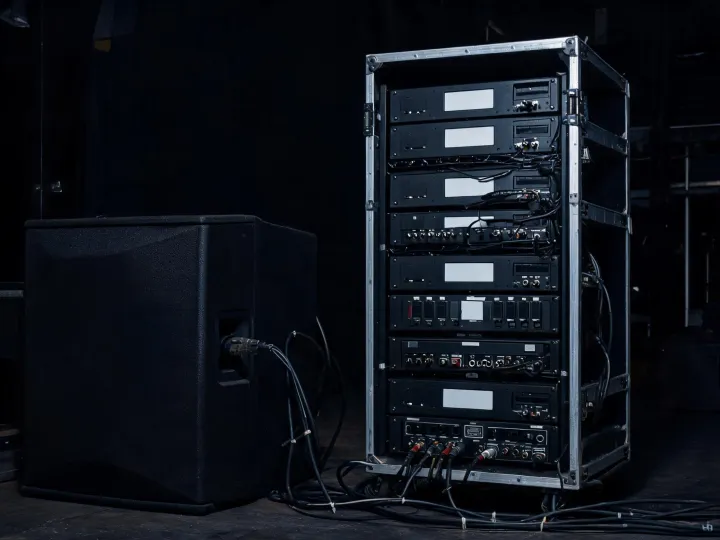
Subwoofer and amplifier rack in a venue system

Low Frequency & Power

Subwoofers, amplification and processing selected together so limiter behavior, thermal demand and acoustic alignment can be commissioned as a system.

Compare categories →

DOCUMENT REVIEW

Compliance follows the exact model and installation

Request the current declaration, listing and installation instructions for the selected SKU and destination. A family name alone is not evidence of project compliance.

AES test methodEN 54-24 where listedUL 1480A where listedRegional EMC review

SPECIFICATION QUESTIONS

Resolve the trade-offs before purchase

Coverage and output

Wider coverage can reduce cabinet count in a shallow room, but it may excite reflective sidewalls and reduce gain before feedback. Narrower patterns can improve directivity when aiming and overlap are modeled carefully.

Only when bandwidth, crest factor, distance, duration and calculation method are comparable. Verify the product data sheet and model the audience distance rather than selecting from the largest headline number.

Network and commissioning

It is useful when routing flexibility, monitoring and multiple zones justify the switch, clocking and configuration overhead. Small single-room systems may be easier to service with a simpler analog path.

Rigging loads, weather exposure, circuit capacity, amplifier ventilation, latency budget and acoustic prediction all impose boundaries. Final presets and mounting must follow current product documentation.
Audio system commissioning session

Bring room geometry, program type and control needs

A useful first review starts with audience areas, target levels, source count, network constraints and the documentation required by the authority having jurisdiction.